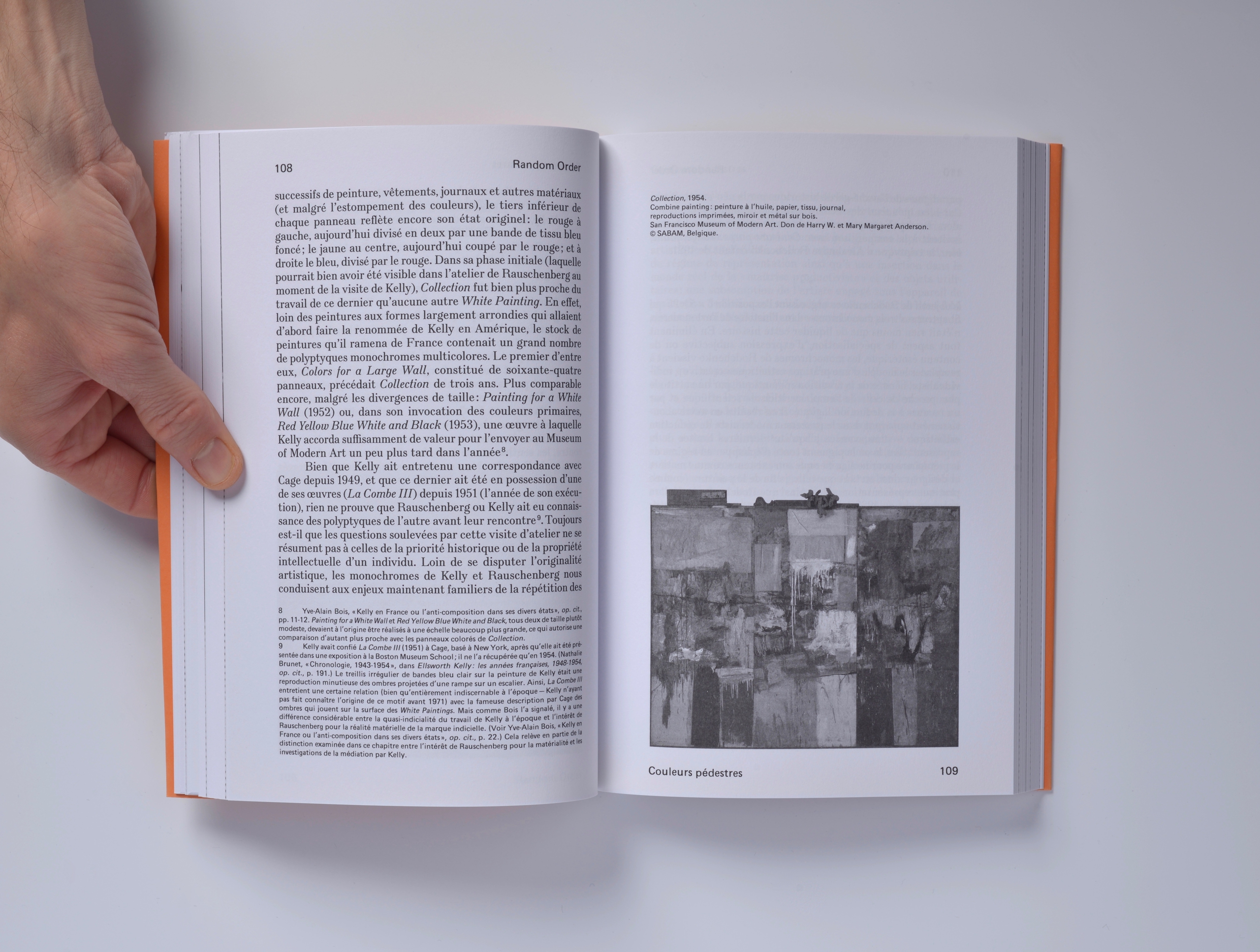
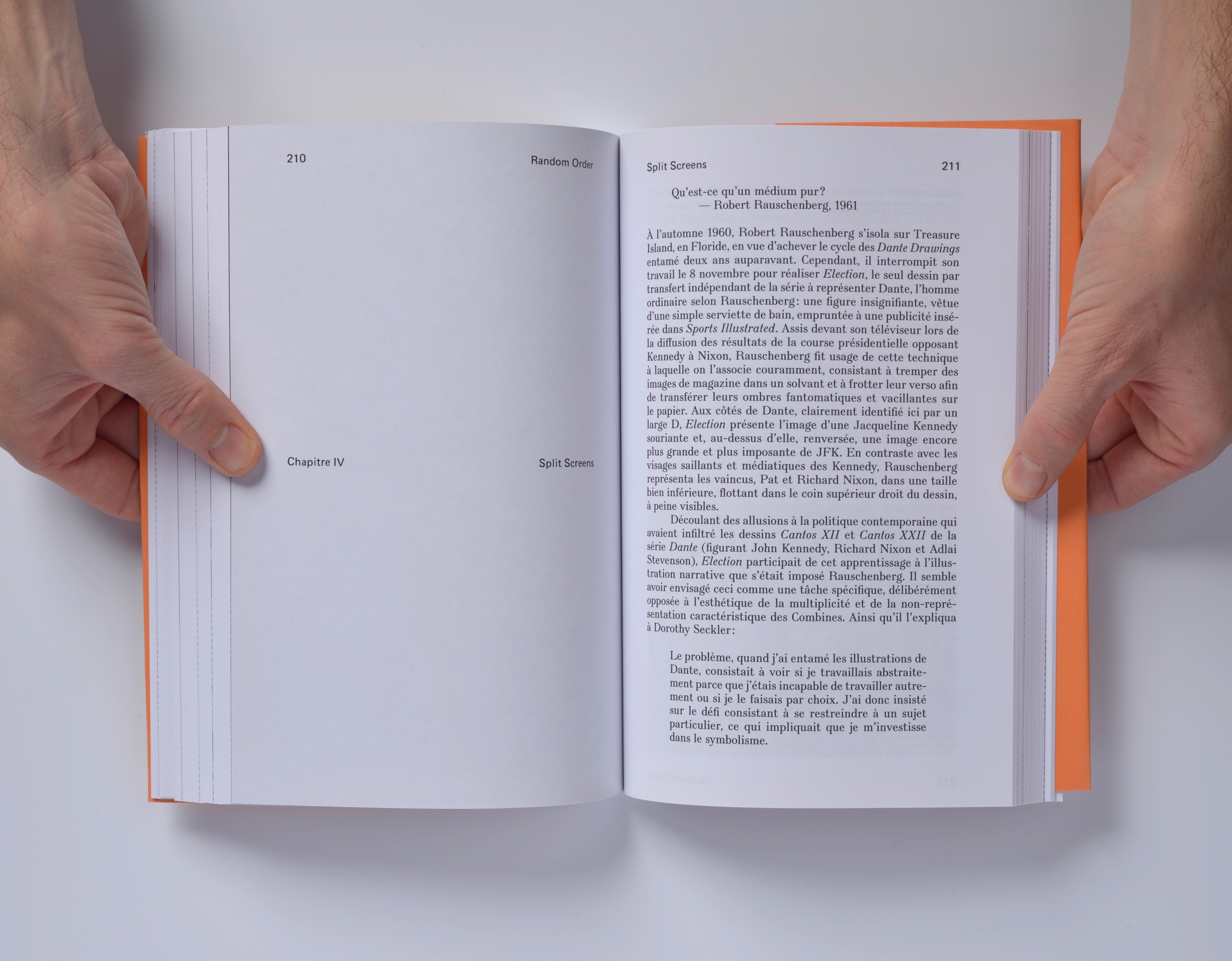
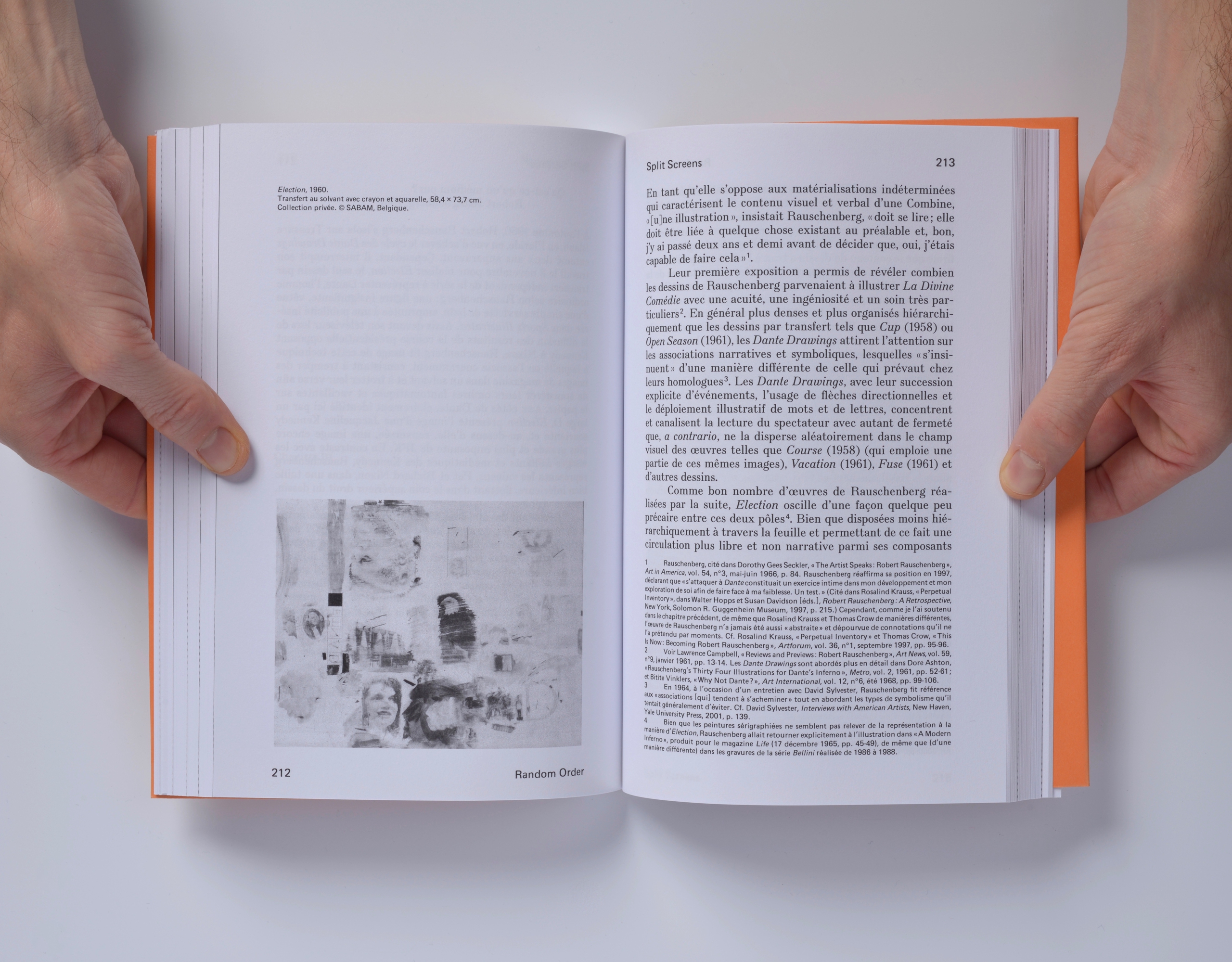
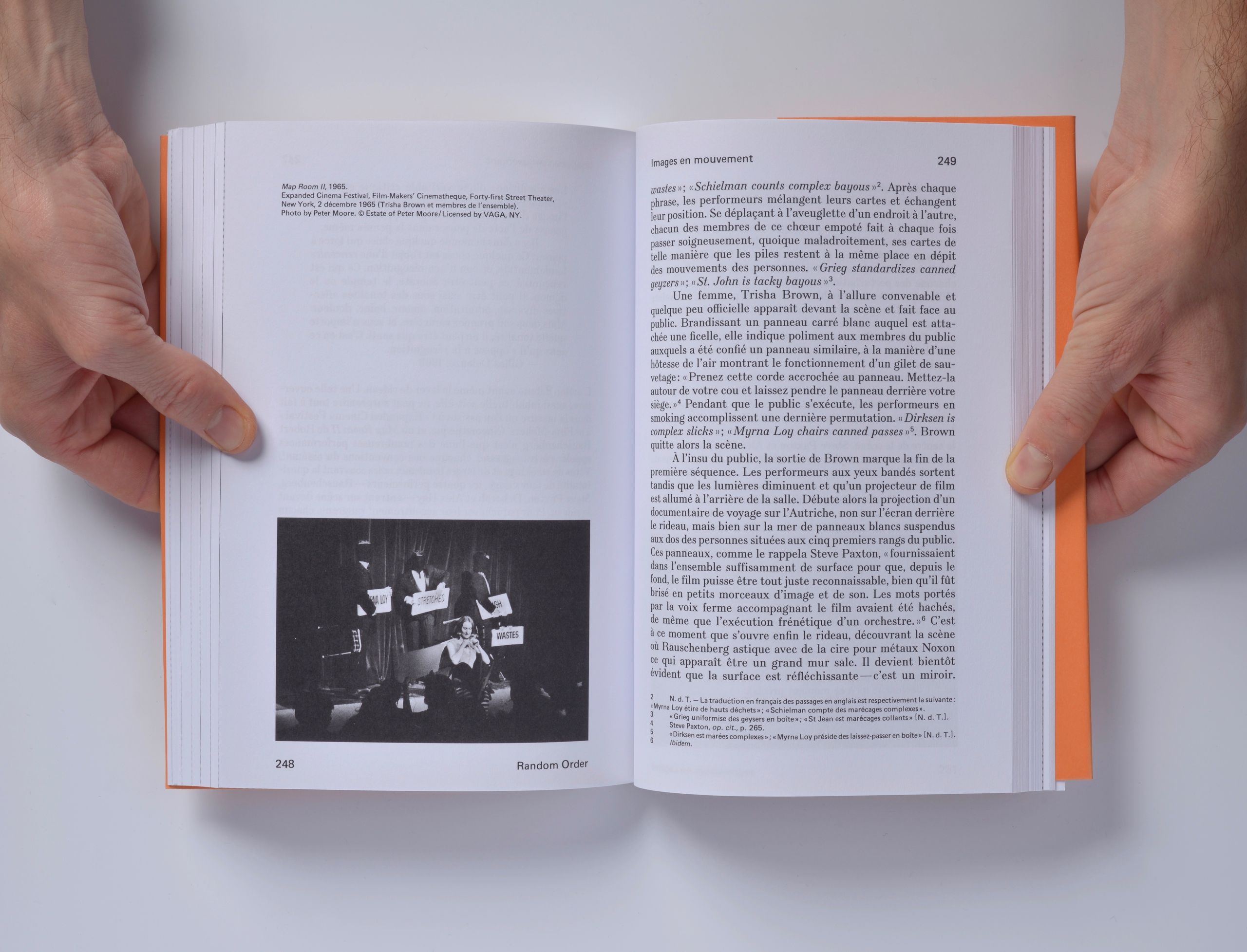
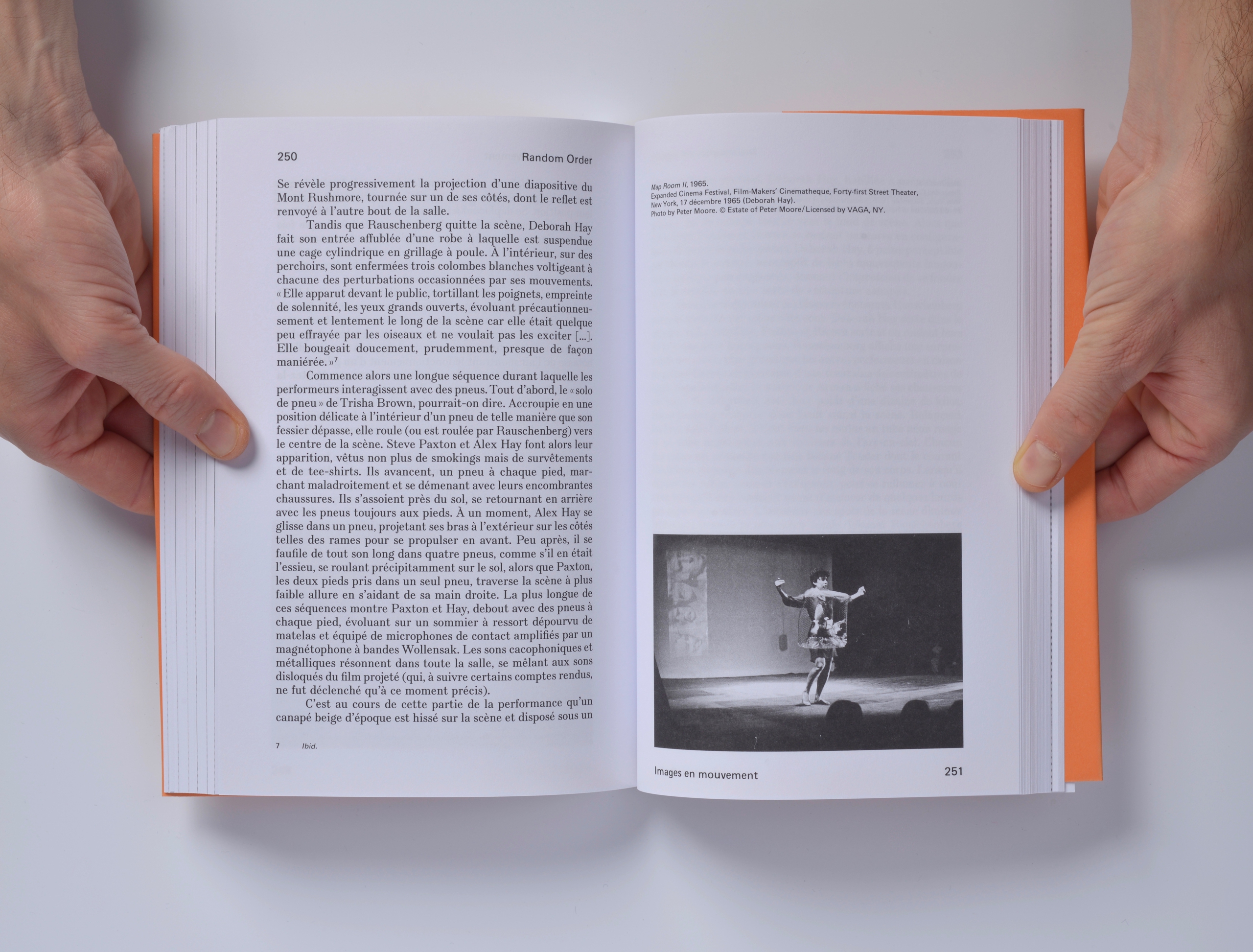
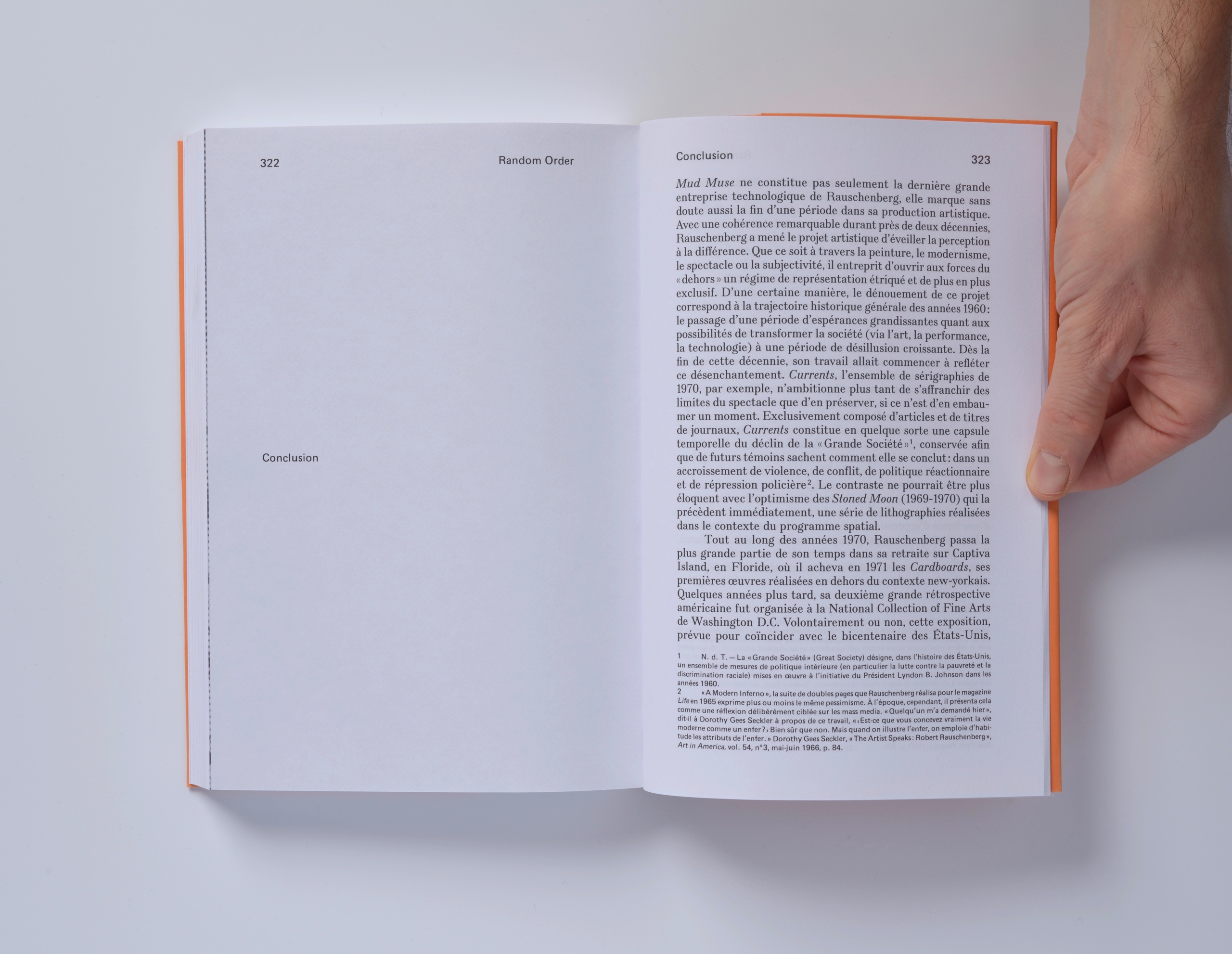
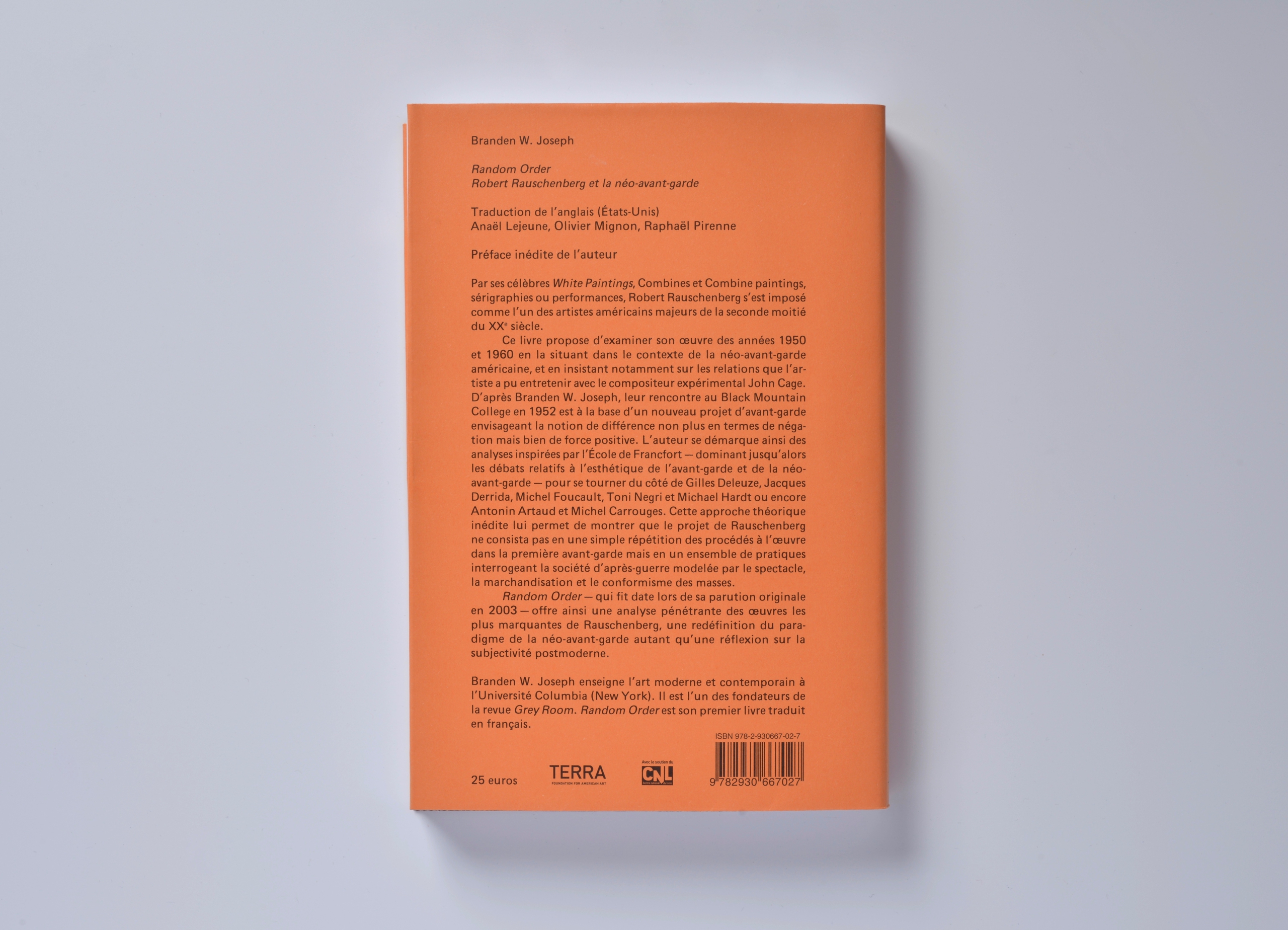
Through his famous White Paintings, Combines
and Combine Paintings, silkscreen prints and performances, Robert
Rauschenberg established himself as one of the leading American artists of the
second half of the 20th century. This book examines his work in the
1950s and ’60s within the context of the American neo-avant-garde, with
particular emphasis on the artist's relationship with the experimental composer
John Cage. According to Branden W. Joseph, their meeting in 1952 at the
experimental Black Mountain College in North Carolina was the basis of a new
avant-garde project that embraced “difference” as a positive force. Joseph sets
himself apart from analyses inspired by the Frankfurt School, which previously
dominated the debate about avant-garde and neo-avant-garde aesthetics, turning instead
to Gilles Deleuze, Jacques Derrida, Michel Foucault, Toni Negri and Michael
Hardt, even Antonin Artaud and Michel Carrouges. By means of this innovative theoretical
approach, he shows how Rauschenberg's project was not a mere reiteration of
processes at work in the first avant-garde, but a set of practices challenging
a post-war society molded by the spectacle, commodification and mass conformism.
In a word, Random Order – a milestone when it came out in 2003 – offers an
incisive analysis of Rauschenberg's most significant works, a redefinition of
the neo-avant-garde paradigm and thoughts on postmodern subjectivity.
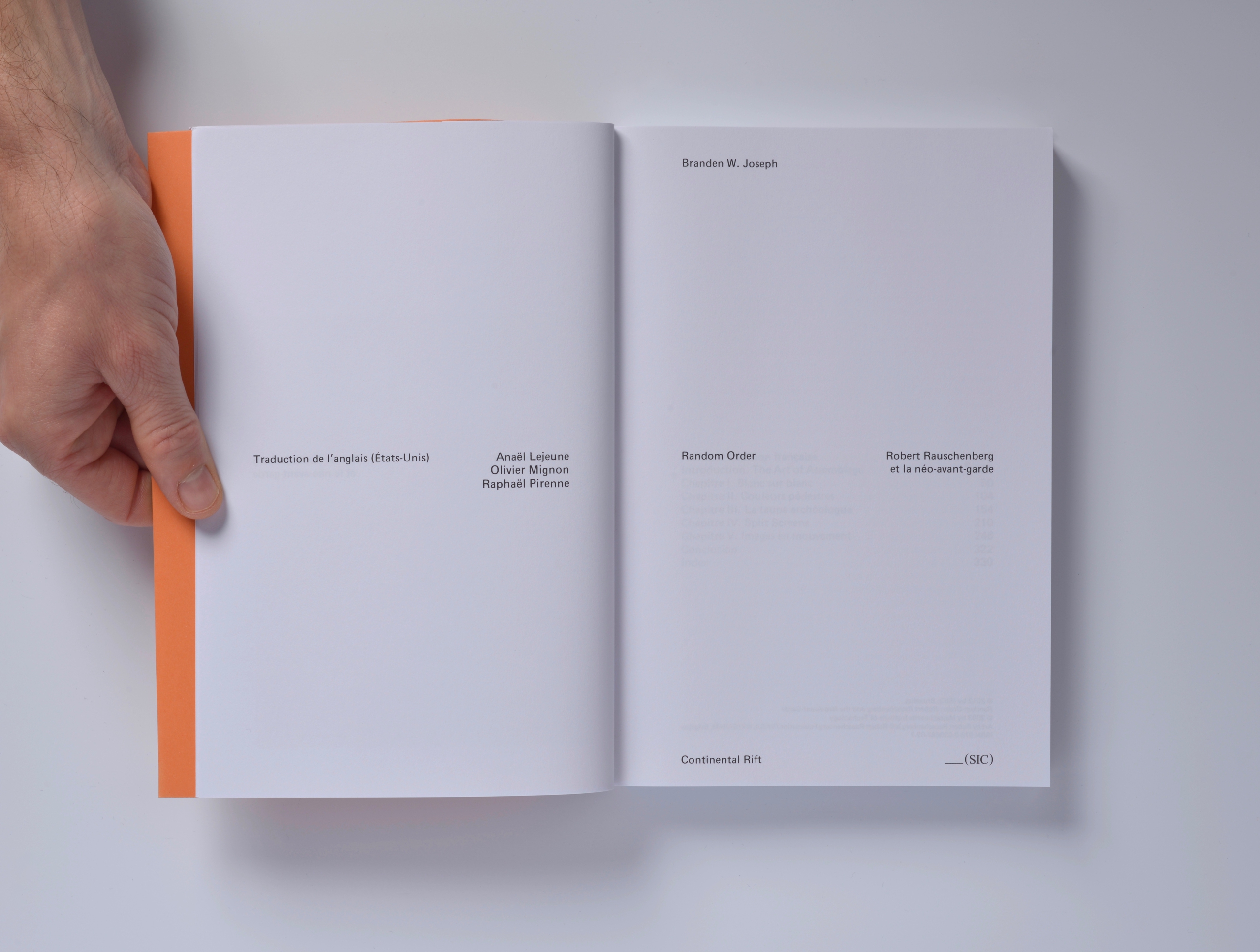
Author: Branden W. Joseph
With a new preface by the
author
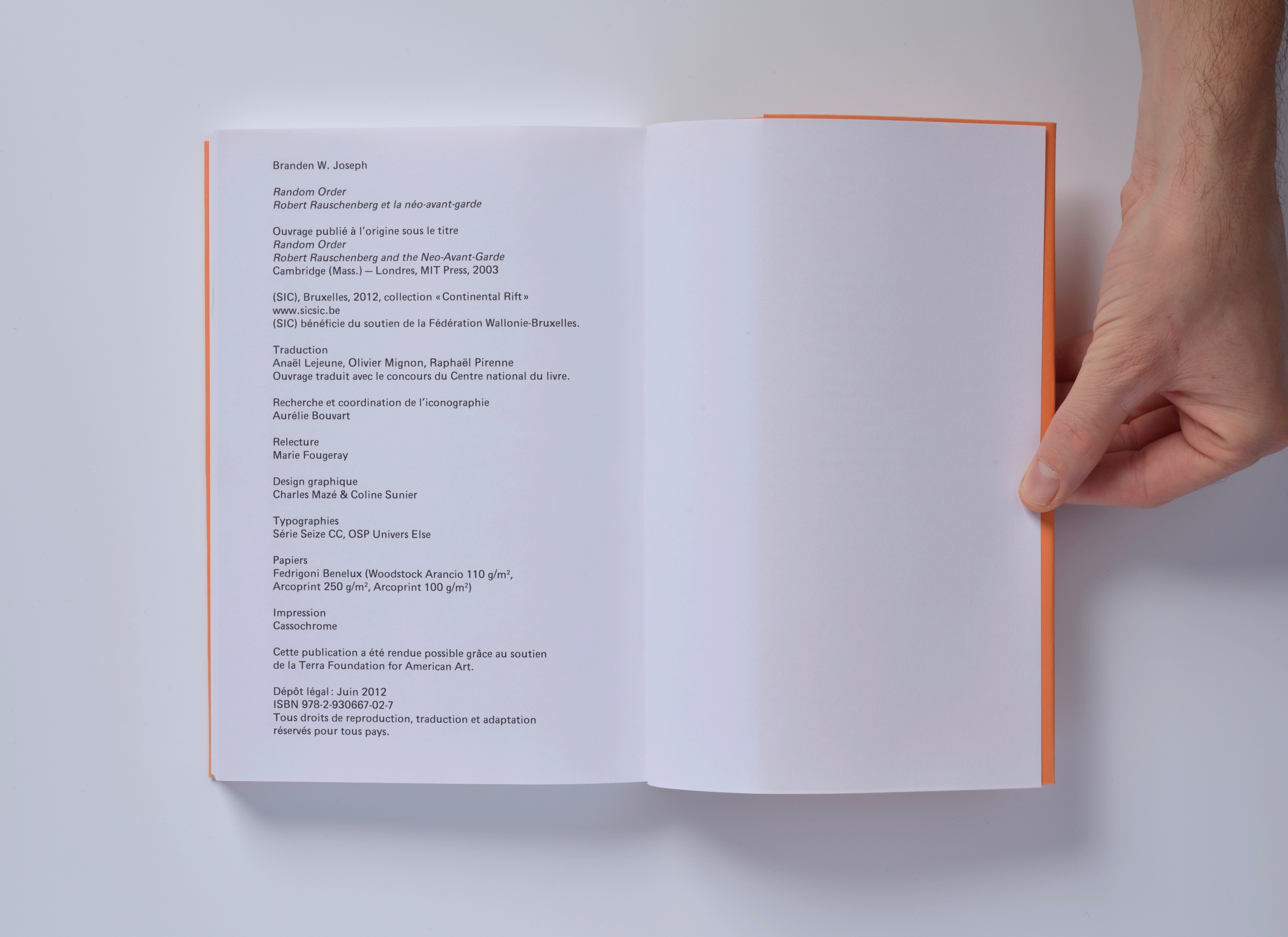
Translated from the English by Anaël Lejeune,
Olivier Mignon, Raphaël Pirenne
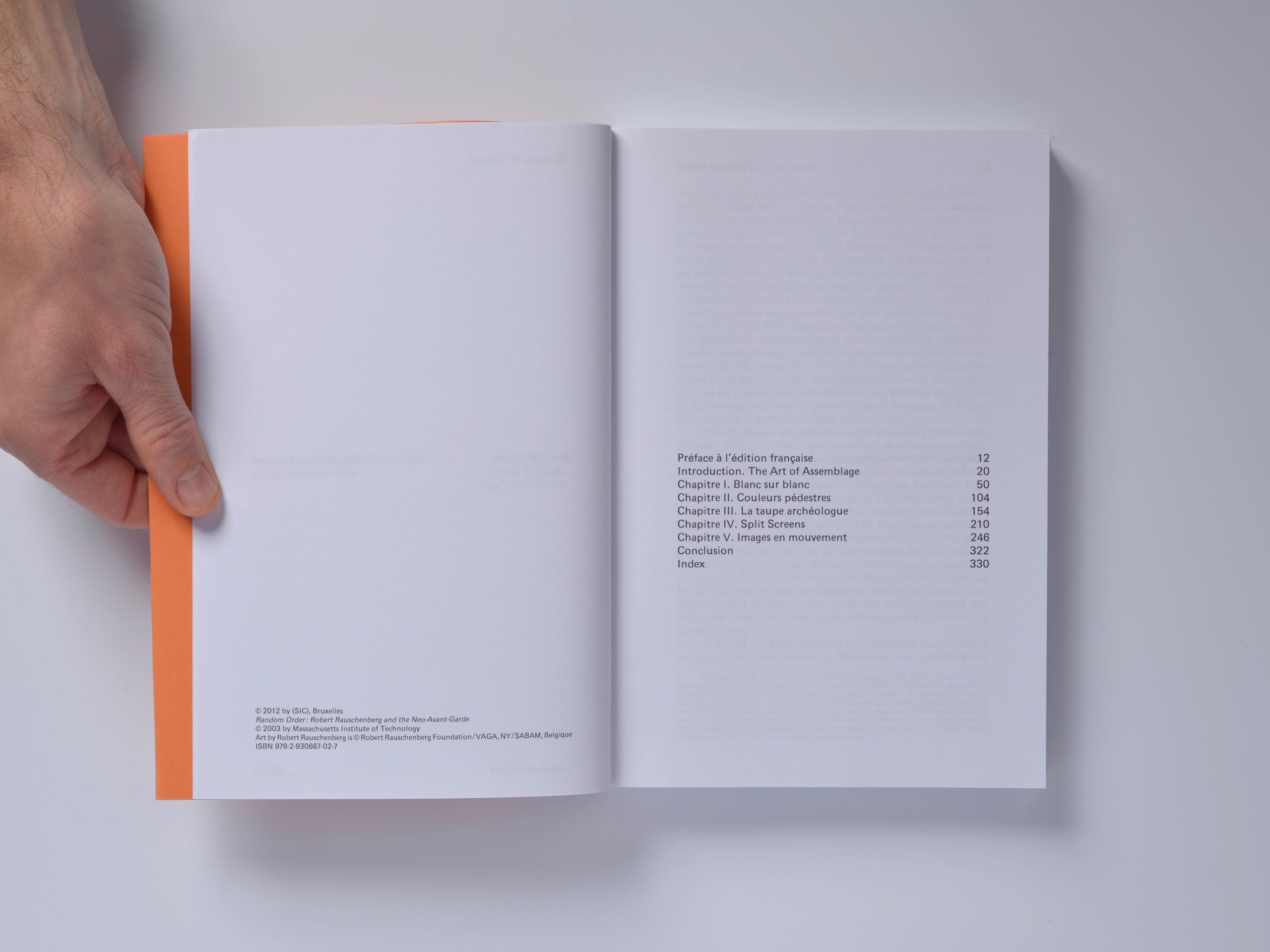
Original title: Random Order: Robert
Rauschenberg and the Neo-Avant-Garde, MIT Press, 2003.
Graphic design: Charles Mazé & Coline Sunier
Published in 2012
In French
15.5 x 22.7 cm
336 pages
ISBN: 978-2-930667-02-7
EAN: 9782930667027